
Flow Control Mastery: How a Pinch Valve Solves Clogging and Corrosion
Feb 6th 2026
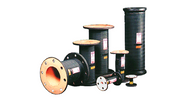
Dealing with messy slurries or thick, stringy fluids can be a real nightmare for standard ball or gate valves! Most of those mechanical valves end up with gunk inside that eventually jams the moving parts, causing the whole system to quit. We’ve seen it happen plenty of times, and we know a high-quality Pinch Valve Sleeve is the perfect way to handle those tough, aggressive materials. The design is super simple: it uses a flexible tube that just squishes shut to stop the flow completely without any tricky parts in the way. By getting rid of metal bits in the flow path, you don't have to worry about rust or things getting stuck. It’s a straightforward fix that keeps your maintenance costs low and your heavy solids moving!
Finding a valve that can actually handle sand, cement, or chemical waste is a huge part of running a successful shop. You need something that won't clog up when your fluid gets thick or has big chunks in it. We really recommend going with a professional-grade Pinch Valve to keep your lines running smoothly every single day. Our team can help you pick the right rubber for your specific chemicals and temperatures. The sleeve even cleans itself by breaking off scale and deposits every time it squeezes shut! Choosing this tough tech today means you won't have to deal with the constant downtime that comes with cleaning out old-fashioned metal valves.
How Does the Basic Mechanism of a Pinch Valve Work?
A pinch valve works by using air pressure or mechanical force to squeeze a flexible elastomer sleeve, creating a 100% leak-tight seal even around trapped solids. The big secret here is just how easy and effective this method is! We use a flexible rubber tube, called a sleeve, that sits inside a tough outer housing. When you apply pressure to the outside of that sleeve, it pinches together to stop the flow. It’s a lot like a natural squeezing motion, which is just perfect for chunky or thick materials. Since the fluid only ever touches the rubber, the outside of the valve stays clean and rust-free! It’s easily the most reliable pick for things like wastewater or mining slurries.
Why Is the Choice of Sleeve Material So Important?
Getting your flow control right depends entirely on matching your sleeve material to whatever you're pumping! We have all sorts of options to handle everything from plain old drinking water to nasty industrial acids.
Natural Rubber: This is our favorite for scratchy slurries because it’s so bouncy and tough against wear.
EPDM: We suggest this one if you’re dealing with high heat or if your gear is sitting outside in the sun and weather.
Nitrile: This is the best way to go for systems that have to handle oils, fats, or greasy petroleum fluids.
Neoprene: We recommend this for general use when you need a good mix of chemical resistance and physical strength.
Can a Pinch Valve Handle High Solid Content Without Clogging?
Pinch valves handle high solid content by providing a full-bore, straight-through flow path with no internal crevices, discs, or seats where debris can accumulate. Standard valves have all sorts of little nooks and crannies where solids love to hide and get hard! A pinch valve gives you a clear path with absolutely no dead spots. This is a massive win for industries like food processing or mining, where you need things to stay clean and moving. Because the sleeve is flexible, it can actually squash right around big solid chunks to keep a tight seal. When it opens back up, the rubber snaps right back to its original shape. That self-cleaning action keeps your pipes clear even with the thickest industrial pastes!
What Are the Main Types of Actuation for These Valves?
Pinch valve actuation types include pneumatic (air-operated), manual handwheels, electric motors, and hydraulic cylinders, each suited for different pressure and automation requirements.
|
Actuation Type |
Best Use Case |
Operational Benefit |
|
Pneumatic |
High-speed automation |
Uses air to snap shut fast and reliably! |
|
Manual Handwheel |
Rare shut-off jobs |
A simple, low-cost way to get the job done. |
|
Electric |
Remote control |
Great for exact positioning without air lines. |
|
Hydraulic |
High-pressure lines |
Packs a huge punch for massive pipelines! |
How Do You Maintain a Pinch Valve for the Long Term?
Pinch valve maintenance is performed by periodically inspecting and replacing the internal elastomer sleeve, which is the only wear part in the entire assembly. Taking care of these is way faster and easier than messing with a complicated ball valve! The only part that usually wears out is that internal sleeve, and it’s made to be swapped out quickly right in the field. We suggest checking the sleeve for cracks or thinning if you notice it’s taking longer to close than usual. Replacing just the sleeve costs way less than buying a whole new valve! Keeping a few spares on the shelf means your team can fix things fast without waiting for a delivery.
Why Are These Valves Superior for Chemical Metering?
Pinch valves are ideal for chemical metering because the linear relationship between the sleeve's compression and the flow rate allows for precise throttling without "hunting." Being exact is super important when you're adding chemicals to make sure your product comes out just right! We’ve found that the way the sleeve pinches gives you amazing control over the flow. Unlike other valves, this flexible sleeve stays very steady even under pressure. This stops the "surging" that often leads to wasted materials or bad batches. Using these for metering also keeps your expensive equipment safe from harsh acids and bases!
Is Pressure Drop an Issue with Pinch Technology?
Pinch valves have a negligible pressure drop because the internal diameter of the sleeve matches the pipe diameter, creating a smooth, unobstructed flow path. One of the coolest parts of this design is that there’s almost zero resistance when the valve is wide open! We see very little pressure loss here compared to valves that have discs or balls blocking the way. This means your pumps don’t have to work nearly as hard to push fluid across the plant. Cutting down on that friction leads to lower power bills and less wear and tear on your pumps. It all starts with a clear path!
Conclusion:
We know that keeping thick slurries and harsh chemicals moving is a tough gig for any piece of hardware. Lehigh Valley Valve is your go-to spot for durable flow control, and we’re happy to help with any Pinch Valve or spare parts you need. Our experts are ready to help you pick the right rubber and actuation to fit your shop perfectly! You can check out all our tough valves and grab technical sheets on our website right now. Teaming up with us means you’ll have the right tools and the know-how to keep your facility running at its best.
FAQs
What is the life expectancy of a pinch valve sleeve? It mostly depends on how often you use it and how rough the fluid is. A high-quality sleeve can often last for hundreds of thousands of squeezes! Just check them regularly to catch wear early.
Can pinch valves handle high-pressure systems?
Standard ones usually go up to 150 PSI. For anything higher, you’ll need reinforced sleeves or special housings. Always make sure to check the rating before you hook everything up!
Are pinch valves suitable for food and beverage use? You bet! We have FDA-approved sleeves that are perfect for thick stuff like syrups or sauces. They're super easy to wash out using standard cleaning methods to keep things hygienic.
What happens if a pinch valve sleeve ruptures?
If a sleeve pops, the fluid stays inside the tough outer metal body. This prevents a big mess and lets you shut things down safely. We recommend using leak sensors for extra peace of mind!
Can a pinch valve be used for vacuum service?
Yes, but you’ll need a special vacuum-compensated sleeve. Without it, the vacuum might suck the sleeve inward and block your flow by accident. Just let us know if you're running a vacuum!