
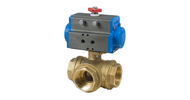
How Does A Pneumatic Actuated Ball Valve Work
Dec 19th 2025
Many facilities deal with sudden flow issues that slow production and raise safety risks. We understand how costly these problems can be. That is why we rely on the Pneumatic Ball Valve to stabilize flow and reduce downtime. It gives us fast control, steady performance, and dependable operation in demanding systems.
Industrial systems also face issues with pressure swings, abrasive fluids, and corrosive chemicals. A Pneumatic Ball Valve helps us manage these challenges with ease. It responds quickly and keeps our operations smooth. It also lowers maintenance and improves safety in high-pressure environments.
What a Pneumatic Ball Valve Does
A Pneumatic Ball Valve uses compressed air to move a ball inside the valve. This motion opens or closes the flow. The valve needs only a quarter-turn to change position. This simple design gives fast and accurate control.
We build our valves to perform under tough conditions. They handle heat, pressure, and corrosive materials. This strength helps us protect our equipment and maintain smooth operations.
Benefits of Pneumatic Ball Valves
Fast Operation: Quick opening and closing reduce delays.
Strong Design: Durable materials resist corrosion and wear.
Easy Automation: Works well with automated control systems.
Low Maintenance: Simple internal parts reduce service needs.
Versatility: Handles many types of fluids and gases.
These advantages help us maintain safe, efficient, and reliable systems.
Where These Valves Are Used
We use Pneumatic Ball Valves in many industries.
They support:
Chemical systems that need accurate flow.
Water treatment plants with heavy demand.
Food and beverage lines that require safe handling.
Energy systems that face pressure and heat swings.
Their simple design makes them easy to install and integrate.
Materials and Construction
Choosing the right material is important. We offer stainless steel, brass, and carbon steel valves. Each material supports different pressure and fluid needs.
We design our seats, seals, and stems to prevent leaks. This keeps operations safe and stable. Every valve goes through strict testing before it reaches our customers.
How to Install and Maintain the Valve
Proper installation ensures strong performance. We follow basic steps:
Align the pipe and valve correctly.
Connect the actuator with the right torque.
Check seals and moving parts often.
Replace worn parts before issues appear.
Routine checks extend the valve’s life and reduce failures.
Automation and Control Systems
We often integrate Pneumatic Ball Valves into automated systems. They work well with electric or pneumatic actuators. Indicators and feedback devices improve accuracy.
Automation reduces errors and improves consistency. It also helps us manage complex processes without manual control. We guide clients in choosing the right combination of valves and actuators.
Our Approach at Lehigh Valley Valve
At Lehigh Valley Valve, we focus on quality and long-term value. Our products range from valves to actuators, fittings, and controls.
We help customers select the right Pneumatic Ball Valve for their systems. We also offer support during installation and maintenance. Our goal is reliable performance, reduced downtime, and safe operation across all industries.
Conclusion
A Pneumatic Ball Valve is essential for precise and reliable flow control. It improves safety, reduces maintenance, and supports automation. At Lehigh Valley Valve, we provide high-quality valves and complete support to keep systems efficient and stable. Our focus on durability and performance helps our customers achieve better results every day.
FAQs
What does a pneumatic ball valve do?
A pneumatic ball valve controls flow by turning a ball inside the valve with compressed air. It offers fast response and simple operation. It works well with liquids, gases, or slurries. It reduces manual effort and helps improve efficiency across industrial processes.
How does the actuator help the valve operate?
The pneumatic actuator uses air pressure to rotate the valve’s ball. This motion opens or closes the valve in seconds. It allows accurate, automated control. It also reduces human error and supports safe, consistent performance in demanding environments.
Can these valves handle chemicals?
Yes. Pneumatic ball valves work with chemicals when made from proper materials such as stainless steel or brass. Strong seals prevent leaks and protect equipment. They offer reliable operation in chemical plants, treatment systems, and industrial environments.
What maintenance is needed for pneumatic ball valves?
Maintenance includes checking seals, seats, and connections. Worn parts should be replaced early. Proper alignment and correct air pressure levels help maintain performance. Routine service extends valve life and reduces system failures.
Are pneumatic ball valves good for automation?
Yes. These valves integrate well with automated systems. They allow remote control, fast actuation, and accurate responses. They reduce manual adjustments and improve consistency. This makes them ideal for chemical, water treatment, and industrial automation setups.