
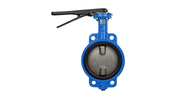
How to Install a Butterfly Valve?
Feb 9th 2026
Industrial pipelines often deal with heavy, clunky valves that are just too slow when you need to change the flow fast. Most regular gate valves take forever to close, which can cause some scary pressure jumps in an emergency! We know that a high-performance lever-operated butterfly valve is the perfect fix for quick and reliable control. These valves use a slim disc that only needs a quick ninety-degree turn to snap the line open or shut. By choosing a streamlined flow setup, you'll save space and get total control over your system. This modern way of moving fluids makes sure your facility runs with the speed and precision you need for a busy workday!
Finding the right balance between a good price and gear that actually lasts is the secret to a great utility network. You really need a valve that gives you a tight seal without all the weight and hassle of those old-fashioned wedges. We suggest picking up a professional-grade lever-operated butterfly valve to make your daily chores easier and take some stress off your pipes. Our team has all sorts of seat materials like EPDM and Nitrile to make sure they work perfectly with your water or chemical lines. That quick quarter-turn means your crew can see if the valve is open or shut with just a quick glance across the room! Investing in this handy tech today stops the leaks and slow response times that usually come with older, bulkier setups.
How Does a Butterfly Valve Control Fluid So Efficiently?
A butterfly valve controls fluid by rotating a circular disc within the pipe path to either block or allow flow, using a ninety-degree turn to achieve a bubble-tight seal. We build these valves with a center shaft that holds the disc right in the middle of the stream. When you pull the handle, the disc spins to sit either flat or sideways against the moving liquid. This simple trick allows for tons of flow with almost no turbulence inside the pipe! Since the disc stays inside the line, it’s got a super slim profile that fits into tight spots. This makes them a top pick for big water lines and messy industrial setups alike!
What Are the Main Benefits of Using a Lever Handle?
Lever handles provide a fast and manual way to operate valves without the need for expensive gear operators or actuators.
Visual Confirmation: The handle position tells you exactly if the valve is open or closed right away!
Rapid Action: You can snap the valve shut in a heartbeat if you have an urgent pipe repair.
Simplicity: There are no tricky gears to grease and no electronic bits that might quit during a power outage.
Cost Savings: Manual levers are way more affordable than fancy automated systems for most regular plumbing jobs.
Why Is Seat Material Selection Critical for a Tight Seal?
Seat material selection is critical because different elastomers, like EPDM or Nitrile, provide the necessary chemical resistance and thermal stability to prevent leaks in specific environments. We offer a bunch of different rubber options because the wrong material can wear out fast if it touches the wrong chemicals or gets too hot. EPDM is our favorite for general water service since it handles heat and weather like a pro. For systems moving oils or fats, we recommend Nitrile seats so the rubber doesn't swell up or crack. Picking the right seat ensures your valve stays leak-proof for thousands of uses!
How Do Wafer and Lug Style Bodies Differ in Installation?
Wafer-style valves are sandwiched between two flanges for lightweight applications, while lug-style valves feature threaded inserts that allow for independent bolting and dead-end service.
|
Body Style |
Installation Method |
Key Advantage |
|
Wafer |
Sandwiched between two flanges |
Super light and the best deal for your wallet! |
|
Lug |
Bolted right to one or both flanges |
Great for "dead-end" service and easy pipe fixes. |
|
Flanged |
Bolted with separate flange sets |
Best for huge pipes and high-pressure industrial jobs. |
Can You Use a Butterfly Valve for Throttling Tasks?
Butterfly valves work well for basic throttling because the disc can be locked at specific angles to restrict flow and balance pressure across a distribution system. At Lehigh Valley Valve, we use notched plates on the handle so you can click the disc into place at different levels. This is perfect for balancing out pressure in a cooling system or slowing down a filling line. While they aren't quite as picky as needle valves, they handle big volumes of water with very little pressure loss. We’ve found this versatility makes them an awesome all-around tool for most shops!
How Do You Maintain Your Butterfly Valves for Long Life?
Maintain butterfly valves by performing semi-annual inspections of the seat and stem seals, cleaning debris from pivot points, and cycling the valve to prevent sticking. Taking care of these is a breeze because they don't have many moving parts to break under pressure. We suggest checking the seals and the seat for any gunk or mineral buildup twice a year. If the handle gets a bit stiff, it usually just means some dirt got into the pivot points. Cleaning those spots and checking the bolts will keep your valve working smoothly for decades! We also recommend giving the valve a quick turn every now and then if it usually stays in one spot.
How Do These Valves Support High-Volume Water Systems?
High-volume systems benefit from butterfly valves because the thin disc profile creates minimal resistance, reducing pressure drop and lowering the energy consumption of pump motors. Big systems need valves that give the water a straight shot with as little "push back" as possible to save on energy. We make the disc profile as thin as we can to keep the pressure drop nice and low. Less resistance means your pumps don't have to huff and puff to keep the water moving. This directly leads to lower power bills and less wear on your expensive pump motors!
Final Thought:
We know that keeping your pipes running perfectly takes a good mix of speed and reliability. Lehigh Valley Valve has everything you need, including the tough lever-operated butterfly valve, for all sorts of industrial jobs. Our tech experts are happy to help you pick the right materials and styles for your specific piping puzzles. You can check out all our gear and info on our website whenever you’re ready. Teaming up with us means you’ll have the right tools and the know-how to keep your facility safe and busy for the long run!
FAQs
What is the maximum pressure for a butterfly valve?
Most regular ones are rated for 150 or 200 PSI. Just make sure to check the number on the valve neck before you hook it up to a high-pressure line so everyone stays safe!
Can butterfly valves handle abrasive slurries?
You bet, but you’ll need extra-tough discs and seats so they don't get chewed up. For really thick, gritty stuff, we might suggest a pinch valve instead, so it lasts longer.
Is a butterfly valve bi-directional?
Most modern ones seal up tight in both directions. This makes them super easy to install since you don't have to worry about which way the water is flowing!
What causes a butterfly valve to leak?
Usually, it’s just a worn-out seat or some gunk trapped in the seal. If it’s not shut all the way, water can sneak through. A quick cleaning almost always does the trick!
How do I convert a manual valve to an automated one?
Our valves come with standard mounting pads so you can swap the handle for a motor or air-piston. You can upgrade to a remote control without even taking the valve out of the pipe!