
What is a Butterfly Valve? A Deep Dive into Fluid Control Efficiency
Mar 19th 2026
Fluid control systems rely on precision components to maintain safety and efficiency. Among the most versatile tools in our inventory is the butterfly valve. This mechanical device belongs to the family of quarter-turn valves. It regulates or isolates the flow of a liquid or gas through a pipe. We see these valves used in massive water plants and complex industrial cooling systems. Their compact design makes them a favorite for engineers who need to save space.
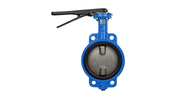
A common variation we provide is the wafer butterfly valve, which fits between two pipe flanges. This design is incredibly lightweight and cost-effective compared to traditional gate valves. We find that many clients prefer this style for its ease of installation. It uses the pressure of the surrounding pipe flanges to stay secure and leak-free. By choosing a wafer butterfly valve, you reduce the overall weight of your piping system significantly.
How does the internal mechanism actually work?
The operation of a butterfly valve is remarkably simple yet effective. A metal disc sits in the center of the pipe. A rod passes through the disc to an actuator on the outside of the valve. Rotating the actuator turns the disc either parallel or perpendicular to the flow. When the disc is parallel, the valve is fully open. When you turn it ninety degrees, it blocks the flow entirely. This quick action allows for rapid shutoff during emergencies or routine maintenance.
What makes the design unique compared to other valves?
Most valves require multiple turns to open or close completely. The butterfly valve achieves full flow control with just a quarter-turn. This efficiency reduces wear on the internal components over time. The disc remains in the flow path even when the valve is open. While this creates a slight pressure drop, the benefits often outweigh this minor drawback. We supply various disc materials to handle different types of chemicals and temperatures.
What are the different types of butterfly valve configurations?
|
Valve Type |
Key Characteristic |
Common Application |
|
Wafer Style |
Clamped between flanges |
General liquid service |
|
Lug Style |
Bolted directly to flanges |
Dead-end service |
|
Double Offset |
High-performance seals |
High-pressure steam |
|
Triple Offset |
Metal-to-metal seating |
Critical oil and gas |
Why is sealing technology critical for performance?
The seat is the part of the valve that the disc presses against. We offer resilient seated valves that use rubber or plastic for a tight seal. These are perfect for water and low-pressure applications. For extreme heat, we recommend metal seats that can withstand harsh environments. Proper seat selection prevents internal leaks and extends the life of the unit. We always help our customers match the seat material to their specific fluid properties.
What are the primary benefits of using this valve?
The most obvious advantage is the lower cost of manufacturing. These valves use fewer raw materials than bulky globe or gate valves. They are also much easier to maintain because they have fewer moving parts. You can often replace the seat or the disc without buying a whole new valve. Their small footprint allows for installation in tight spaces where other valves simply will not fit. We focus on providing these high-efficiency solutions to keep your projects on budget.
How do we automate butterfly valves for modern systems?
Manual levers are common for small pipes, but large systems require automation. We can equip these valves with electric, pneumatic, or hydraulic actuators. This allows operators to control flow from a remote computer station. Automation ensures precise flow regulation and enhances safety in hazardous environments. We specialize in matching the right actuator to the torque requirements of your valve.
Fresh Perspectives on Fluid Management
The future of fluid control lies in smarter materials and better designs. We are seeing a shift toward composite materials that resist corrosion better than steel. These advancements reduce the frequency of repairs and improve system uptime. We stay at the forefront of these trends to provide you with the best components. Reliability is not just a goal for us; it is a standard we maintain every day.
Our team understands that every piping system has unique challenges. We do not just sell parts; we offer technical guidance to ensure your success. From small plumbing repairs to massive industrial builds, we have the inventory to help. We pride ourselves on fast shipping and expert support for every order.
In conclusion,
Lehigh Valley Valve is your dedicated partner for high-quality flow control solutions. Whether you need a standard wafer butterfly valve or a custom-actuated assembly, we have the expertise to deliver. We provide the technical support and maintenance services required to keep your systems running smoothly. Trust Lehigh Valley Valve to supply the reliable components your next project demands.
Frequently Asked Questions
What is a butterfly valve used for?
We use these valves for cooling water, air, and gas services. They work well in fire protection systems and water treatment plants. Their ability to handle large volumes of fluid makes them essential for municipal and industrial piping infrastructures.
Why use butterfly valve instead of ball valve?
Butterfly valves are lighter and cheaper than ball valves in large sizes. They take up less space in a piping layout. While ball valves seal better at high pressures, butterfly valves offer superior performance for high-volume, low-pressure applications.
Why do they call it a butterfly valve?
The name comes from the way the disc moves. The disc rotates on a central axis like the wings of a butterfly. This flapping motion opens or closes the flow path quickly, mimicking the movement of the insect in flight.
When should a butterfly valve be used?
Use these valves when you need to control flow in large-diameter pipes. They are ideal for systems with limited space or weight restrictions. We recommend them for applications involving water, slurry, or low-pressure steam where cost is a factor.
How much pressure can a butterfly valve handle?
High-performance butterfly valves can handle pressures up to 1,500 psi. However, standard resilient seated versions usually top out around 250 psi. Always check the specific pressure rating of the valve body and seat before you start your installation.