
What Is a Pressure Sensor? The Key to Pipeline Safety
Mar 24th 2026
We know that modern industrial systems need clear data to stay safe and work well. A pressure sensor is a small tool that feels physical force and turns it into a signal. These tools let us check liquid levels and flow speeds in real time. Whether you use a standard dial or a specialized Wafer Style Pressure Sensor, choosing the right tool is very important.
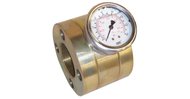
Our team works hard to provide great tools that keep your pipes strong under heavy use. We think of pressure sensors as the brain of any pipe system. They give us the facts we need to stop leaks or broken parts before they happen. By putting a Wafer Style Pressure Sensor into your line, you get a small and steady way to watch your system.
How Does a Pressure Sensor Actually Work?
A pressure sensor works by pushing back against the force of a gas or liquid. Most sensors use a thin wall called a diaphragm that moves when pressure hits it. This small move changes the electrical flow inside the sensor. The tool then sends this change as a signal to your computer or control screen. We pick sensors that give the same right answer every time you use them.
Why is Accuracy Essential in Pressure Monitoring?
Bad data can cause big accidents or waste a lot of power. If a sensor gives a wrong low reading, your pumps might work too hard. This causes valves and seals to wear out much faster than they should. We suggest checking your sensors often and using strong materials for the best results. Clear data helps us find problems and keep fluids moving the right way in any building.
What are the Main Types of Pressure Sensors?
Different jobs need different kinds of sensors to handle heat, shaking, or strong chemicals. Here are some common types we use:
- Piezoresistive sensors use silicon to feel changes in electrical flow.
- Capacitive sensors measure the space between two metal parts to find pressure.
- Optical sensors use beams of light to track how much the sensor wall moves.
- Vacuum sensors are made to measure very low pressure below the normal air
Why Choose a Wafer Style Pressure Sensor for Tight Spaces?
In many work areas, we do not have much room to move. This is why the Wafer Style Pressure Sensor is a great choice for your next project. These sensors fit right between two pipe ends and stay there with long bolts. This smart design means you do not need big connectors or heavy metal boxes. They work very well in water plants or chemical shops where space is tight.
What Industries Benefit Most from These Sensors?
We help many different businesses that need to keep their pressure at a steady level. The table below shows how different groups use these important tools:
|
Industry |
Primary Application |
Key Benefit |
|
HVAC |
Airflow checks |
Saves on power bills |
|
Waterworks |
Finding leaks |
Saves water |
|
Manufacturing |
Machine control |
Keeps workers safe |
|
Chemical |
Mixing fluids |
Very exact work |
Can Pressure Sensors Improve System Safety?
Safety is our first thought when we help you build your facility. Pressure sensors act like a loud alarm that goes off if levels get too high. This lets the system turn off by itself or open a safety valve to let out air. By keeping pressure steady, we put less stress on every pipe joint. Sensors also help us look at past data to see when a part might break soon.
How Do You Select the Right Sensor for Your Pipe?
Choosing a sensor starts with knowing what liquid or gas is inside your pipes. We check to make sure the sensor metal will not rust or melt over time. Heat is also a big factor because too much warmth can make a sensor give a bad reading. We always check the size to make sure the sensor fits perfectly without any leaks. A sensor that fits right will save you money for a long time.
A Fresh Perspective on Fluid Management
A safe pipe system does not happen by luck. It happens because we use the best tools and the most honest data. When you buy a Wafer Style Pressure Sensor, you are helping your system last for many years. We know that even the smallest part is a big deal for your success. Lehigh Valley Valve is here to help you with expert tips and a large stock of high-quality parts. We help you manage the pressure so you can focus on your work.
Frequently Asked Questions
What is a pressure sensor called?
In our industry, a pressure sensor is often called a pressure transducer or a pressure transmitter. Some people simply call them pressure senders. No matter the name, they all work to turn physical force into a useful electrical signal.
What does the pressure sensor do?
A pressure sensor tracks the force of a gas or liquid inside your system. It sends this data to a controller to keep things running safely. We use them to find leaks, check tank levels, and control flow rates daily.
What happens when your pressure sensor goes out?
When a sensor fails, your system loses its ability to watch internal force. This can cause pumps to run too long or valves to open at the wrong time. We see this lead to system damage or dangerous pressure spikes.
How much does it cost to fix a pressure sensor?
The cost to fix or replace a sensor depends on the type and size you need. Simple sensors are cheap, while specialized units cost more. We focus on providing the right part at a fair price to minimize your downtime.
How long does a pressure sensor last?
Most high-quality sensors will last for five to ten years if you take care of them. Extreme heat or harsh chemicals can shorten this life. We suggest regular cleaning and checks to help your sensor work for many years.