
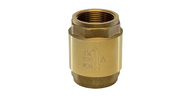
What Is An Inline Check Valve
Jan 14th 2026
Industrial piping systems run into a hidden danger that can wreck expensive machinery in a heartbeat. When a pump shuts down, a sudden reversal of water flow creates a massive shockwave called a water hammer. This violent backflow can shatter parts, ruin delicate seals, and cost you thousands in repairs! We totally get that keeping your fluid moving in a one-way street is the only way to stay safe. Our main goal is to get the right pro hardware into your hands so you can lock down your flow direction. By adding a high-performance safety barrier to your setup, we help you skip those messy breaks and keep your plant running like a charm!
We really suggest installing a high-quality In-Line Check Valve to act as a silent guardian for your sensitive pump systems. This compact little device uses a spring-loaded disc to make sure everything flows in just one direction. It snaps shut the second the fluid tries to turn around, which stops dangerous shockwaves from hitting your main gear. Our team is all about providing these tough valves so your setup stays safe even if the power goes out unexpectedly. We'll make sure every unit is sized perfectly for your specific flow and pressure needs for the best security! Picking the right plan to stop backflow helps us help you keep your fluid system quiet and reliable for years to come.
Why Gravity and Pressure Reversal are Such a Headache
Flow reversal isn't just a minor annoyance; it's a huge threat to your whole building's plumbing! When fluid flows backward, it can drain your tanks or mix dirty waste back into your clean water. We have the know-how to spot these risks before they turn into a total mechanical crisis. Our goal is to make your fluid control simple by using valves that work all on their own without needing any power. This simple physics-based fix keeps your system pointing in the right direction at all times!
The Clever Power of the Inline Design
The inline design is a big hit for modern facilities because it fits right into the pipes you already have. You don't need giant, bulky housings or complicated levers to get pro-level protection. We’ve noticed that this smooth design hardly causes any turbulence, which keeps your whole system running efficiently. By putting these valves right where the pump lets out, we stop a heavy column of water from crashing back down. This smart move saves a ton of stress on every motor and gasket in your entire network!
Technical Specs for Our Best Check Valves
We pride ourselves on providing gear that can handle the toughest industrial jobs out there! Our check valves use top-notch materials so they stay responsive and won't leak, even after millions of uses.
|
Feature |
The Nitty Gritty |
|
Body Material |
Heavy-duty Brass, Carbon Steel, or PVC |
|
Internal Spring |
Tough Stainless Steel for a quick close |
|
Connection Type |
Threaded or flanged for an easy fit |
|
Cracking Pressure |
Low resistance to keep things moving |
|
Applications |
Perfect for water, oil, and chemical lines |
Quick Tips to Bulletproof Your Flow Control
To keep your system in tip-top shape, here are some of our favorite pro tips for taking care of your valves:
- Stick a check valve on every pump discharge line to stop it from spinning backward.
- Always double-check the flow arrow on the valve body before you start the job!
- Use spring-loaded models if you need to put the valve in a vertical pipe.
- Make sure your pump can easily push the valve open without wasting energy.
- Give the inside a quick look once a year to clear out any gunk or debris.
Why One-Way Flow Makes Your Automation Happy
We always like to remind our friends that an automated system is only as good as its physical safety checks! If your fluid reverses, it can give wrong readings to your sensors and make your gear act up. That’s why we’re big fans of a "total package" approach where you use pro check valves right alongside our pressure sensors. When the flow is steady and moving forward, your automated controls can do their job perfectly for decades! We’ve got the full lineup of valves and monitors to make sure your system never quits on you.
Cutting Down on Downtime with Quick Shipping
Success in the industrial world is all about staying online and hitting those tight deadlines! We know contractors often deal with long waits when they need specialty valves for a new job. That’s why we have an easy online store where you can check what’s in stock and see all the specs in a flash. When you pair that with our super-fast shipping, you can be sure your parts will arrive right when your crew is ready to work. We’re working hard to be the reliable partner your business needs to keep growing!
Standing by Your Side for the Long Haul
Setting up a solid piping network takes a good understanding of how water and chemicals actually behave under pressure. We’re here to give you the best In-Line Check Valve fixes and the hands-on help you need to keep things moving! At Lehigh Valley Valve, we’re all about getting you the pro gear that stops downtime and protects your big equipment investments. We offer fast shipping and great wholesale support. You need to get your jobs done on time! By teaming up with our experts, you’re making a really smart move for the future of your facility.
Frequently Asked Questions
What does an inline check valve actually do?
It's a safety part that lets liquid or gas flow in only one direction. It snaps shut automatically if the flow tries to go the wrong way, which keeps your pumps safe and prevents messy contamination.
How does the valve know when to close?
It’s all about physics! When fluid flows forward, it pushes the internal part open. If the pressure drops or things start moving backward, a spring or gravity pushes it shut immediately.
Can I install these valves vertically?
You sure can! Just make sure to use a spring-loaded model for vertical pipes. The spring ensures the valve closes fast regardless of gravity, which is super important for deep wells or tall buildings.
What is the cracking pressure in a check valve?
Cracking pressure is just the tiny amount of push needed to get the valve to open. We’ll help you pick one with the right pressure so your pump doesn't have to work too hard just to move the water.
Do these valves need a lot of maintenance?
Not really! Since they don't have many moving parts, they're very reliable. We suggest a quick check once a year to make sure no dirt is stuck inside, so it keeps sealing perfectly.