
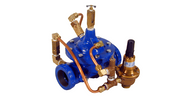
What Is The Purpose Of Pressure Reducing Valve?
Dec 20th 2025
Flow problems disrupt industrial operations every day. Sudden spikes, drops, and unstable pressure reduce efficiency and damage equipment. These issues also raise safety risks. Many plants struggle with inconsistent flow because their systems face constant load changes. A pressure-reducing valve often becomes the first step toward restoring control. It stabilizes pressure, protects equipment, and keeps the process running smoothly. We understand this challenge, so we focus on solutions that work in real operating conditions.
Industrial operations demand accurate flow control. Even a slight shift can affect quality or disrupt production. That is why we rely on strong design, tested materials, and precise engineering. When we pair a Pressure Reducing Valve with other flow control components, we build a complete and effective solution. This approach supports stable performance and helps operators trust their system. We bring experience, reliable products, and clear guidance to every project.
Why Pressure Stability Matters in Industrial Systems
Pressure stability keeps equipment safe. It reduces wear and prevents unexpected shutdowns. When pressure rises, pipes, pumps, and fittings face stress. When pressure drops, the process slows or fails. We design systems that control these variations with accuracy. Our solutions help operators maintain a steady flow under changing conditions.
We work in many industries. These include power plants, chemical facilities, water treatment systems, and manufacturing units. Each industry has different needs. We study flow characteristics, temperature ranges, and system layout before suggesting a solution. This helps us select the right valve for each application. Our goal is to protect your system and improve long-term performance.
Our Commitment to Quality and Long Service Life
We believe strong materials lead to better results. That is why we use cast ductile iron, corrosion-resistant finishes, and durable internal parts. These features improve the life of each valve and reduce long-term maintenance. We design every component to handle demanding conditions.
Before shipping, we test each valve. We measure how it performs under pressure and verify its operation. This process ensures consistent performance. It also reduces the chance of future problems. Operators can service our valves easily because we build them with accessible internal parts. This design reduces downtime and supports fast maintenance.
Custom Valve Options for Specialized Needs
Many systems require custom solutions. These systems face unique demands based on pressure levels, media type, and environmental conditions. We offer custom configurations to meet these needs. We adjust body sizes, trim materials, seals, and pressure settings to match each application.
Custom designs improve efficiency. They also reduce risk and support safer operation. Our team studies your process and identifies the exact problem. Then we select or design a valve that matches those requirements. This approach ensures better performance and smoother control.
A Complete Range of Valves for Industrial Operations
We offer a wide range of valves. Each type plays a specific role in maintaining system performance.
Air Release and Vacuum Release Valves: These valves remove trapped air. They also prevent vacuum conditions that can damage pipelines. They support system stability and reduce pressure loss.
Check Valves: Check valves stop reverse flow. They protect pumps, pipelines, and sensitive equipment. They react fast when the flow changes direction.
Foot Valves: Foot valves keep the pump primed. They support suction lift applications and reduce energy loss. Their design ensures a clean and stable flow.
Gate Valves: Gate valves isolate sections of a pipeline. They operate smoothly and create a very low pressure drop. They are dependable and simple to service.
Knife Gate Valves: Knife gate valves handle slurry, debris, and thick media. They cut through solids and deliver a tight shutoff. They support tough industrial environments.
Globe and Control Valves: These valves regulate flow with precision. Operators use them when they need stable pressure and accurate control.
Resilient Wedge Valves: These valves offer strong shutoff and corrosion resistance. They support both industrial and municipal systems.
How We Support Our Customers
We know every system depends on proper installation and support. We assist customers from the first conversation to the final setup. We provide clear guidance for sizing, installation, and operation. Our team responds quickly to technical questions. We also maintain strong inventory levels, which helps us ship products fast.
We value long-term partnerships. Our goal is to support your operations for many years. We believe strong communication, dependable products, and honest guidance build trust.
How Pressure Control Protects Your System
A well-chosen valve reduces risk. It prevents pressure fluctuations that cause pump strain, seal failure, or pipe damage. It also keeps energy usage stable and predictable. When pressure remains consistent, operators gain better control over production.
Our systems reduce downtime and improve reliability. They also help extend the life of pumps, actuators, and connected equipment. Proper pressure control delivers a cleaner, safer, and more efficient process.
Conclusion
Stable pressure supports safe and efficient operations. A Reducing Valve plays a major role in this stability. At Lehigh Valley Valve, we focus on long-lasting performance, strong materials, and accurate control. We deliver valves that stand up to real industrial demands. Our team works to protect your systems and improve your flow control. We aim to provide solutions that reduce risk, improve uptime, and give you confidence in your process every day.
FAQs
Why is pressure control important in industrial systems?
Pressure control protects equipment and keeps processes stable. It reduces wear, prevents damage, and ensures smooth operation. Systems with stable pressure operate more efficiently and face fewer breakdowns. Proper control creates a safer and more reliable workflow across the entire facility.
What causes pressure fluctuations?
Pressure changes come from pump cycles, flow variations, temperature shifts, and sudden valve movements. These shifts can cause strain on equipment. Using the right control valves helps reduce these fluctuations. Regular inspections and proper system design also reduce pressure instability.
How does a pressure-reducing valve work?
A pressure-reducing valve lowers high inlet pressure to a preset level. It reacts to changes in flow and adjusts automatically. This keeps downstream equipment safe. The valve maintains steady conditions even when demand or upstream pressure changes.
What should I consider when sizing a valve?
You should consider flow rate, operating pressure, temperature, and media type. These factors determine valve size and material. Proper sizing improves performance and reduces maintenance. A well-sized valve keeps the system efficient and safe.
How often should valves be maintained?
Maintenance frequency depends on operating conditions. High-pressure or abrasive systems may need more checks. Regular inspection improves reliability and prevents failures. Cleaning internal parts and checking seals helps extend valve life and maintain stable flow.