
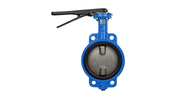
What Is Wafer Type Butterfly Valve
Dec 21st 2025
Flow systems hide risks that many teams overlook. Sudden pressure changes, tight spaces, and complex layouts can disrupt performance. Many pipelines fail because bulky valves add weight and slow installation. A wafer butterfly valve solves these issues with a compact and efficient design. It fits between flanges, reduces stress, and improves control.
We see plants struggle with valves that demand too much space or maintenance. With a wafer butterfly valve, teams gain faster installation and tighter control. The slim body reduces the load on the system. The disc rotates freely to manage flow with precision. Our goal is to help customers improve reliability with simple and smart valve choices.
How a Wafer Butterfly Valve Works
A wafer butterfly valve uses a rotating disc to control flow. The disc turns a quarter turn to open or close the passage. When open, the disc aligns with the flow to reduce resistance. When closed, it forms a tight seal. Its compact body fits between flanges without extra hardware.
This design reduces weight and installation time. It also improves access in tight spaces. Many industries prefer it for fast operation and reliable performance. Its versatility makes it suitable for water, air, chemicals, and general fluids.
Key Advantages We Offer with Wafer Butterfly Valves
Compact and Easy to Install: The slim body fits between flanges with little space. Crews install it quickly and with less effort.
Fast Operation and Simple Control: The quarter-turn motion helps teams react fast. It works well in systems that need quick shut-off or frequent cycling.
Cost-Effective and Lightweight: The design uses fewer materials. This reduces cost and weight. It also lowers support needs for the pipeline.
Versatile and Compatible: We offer multiple body and seat materials. This allows the valve to work with many liquids and gases. It suits HVAC, waterworks, industrial piping, and more.
Durable and Low Maintenance: With fewer parts and a simple design, the valve demands minimal upkeep. It provides consistent sealing through many cycles.
Where Wafer Butterfly Valves Perform Best
Water and Wastewater Systems: The valve handles water flow, dosing, and discharge with ease. Its light body fits well in crowded pump rooms.
HVAC and Building Services: Mechanical rooms often lack space. The slim valve helps control heating and cooling lines without large clearances.
Chemical and Industrial Processes: With the right seat materials, the valve manages moderate pressure and common industrial fluids.
Food and Beverage Operations: When built with proper materials, it handles sanitary or light process applications with smooth flow control.
How We Help You Select the Right Valve
Choosing the right valve depends on several factors.
Fluid Type: We match seat and disc materials to the chemicals or fluids in your system.
Pressure and Temperature: We confirm that the valve rating supports your operating conditions.
Space Limits: We recommend wafer valves when flange space is tight or when support structures cost too much.
Maintenance Needs: Because these valves have fewer moving parts, they offer easier service and longer life.
We guide buyers through each step. Our team helps define size, materials, and rating for every installation. We keep a wide inventory of cast iron wafer valves with EPDM and Buna seats. We also provide nickel-plated disc options. Our goal is to deliver the right fit for each operation.
How We Support Our Customers Beyond the Purchase
We do more than supply valves. We support installation teams, maintenance crews, and engineering staff. We help identify the correct model for each application. We also provide technical guidance when needed.
Our stocked inventory supports contractors and facility managers who need fast delivery. We keep common sizes ready to ship. Our process reduces downtime and avoids project delays.
We also assist with replacements and upgrades. Many clients switch from bulky valves to wafer butterfly valves to save space and cost. Our team helps plan the transition and ensures proper alignment with existing systems.
Why Our Wafer Butterfly Valves Improve System Reliability
A wafer butterfly valve improves system flow without adding complexity. It handles frequent operation, tight spaces, and moderate pressure. It also reduces installation cost and maintenance needs.
At Lehigh Valley Valve, we combine quality products with expert support. Our wafer butterfly valves deliver long-term performance and smooth operation. They help plants maintain a steady flow, reduce risk, and extend equipment life. We ensure every customer receives proper guidance and dependable service. Our priority is strong performance, easy installation, and reliable results for every system.
Frequently Asked Questions
What is a wafer butterfly valve?
A wafer butterfly valve is a compact valve with a rotating disc that controls fluid flow. It fits between pipe flanges without extra support. Its simple design allows fast opening and closing. It works well for water, air, or general industrial fluids. Many teams choose it for its space-saving profile.
Where is a wafer butterfly valve used most often?
It is used in HVAC systems, water pipelines, wastewater facilities, and industrial plants. Its slim design makes it ideal for tight spaces. It also suits chemical and food applications when built with proper materials. Many facilities rely on it for moderate pressure flow control.
Why choose a wafer butterfly valve over other valves?
It saves space, installs fast, and costs less than bulky valves. It also needs less structural support. Its quarter-turn action offers quick control. Many industries value it for low maintenance and reliable sealing across multiple cycles.
How long does a wafer butterfly valve last?
The lifespan depends on fluid type, pressure, and seat material. With proper installation and periodic checks, it can last many years. Its simple design reduces wear on internal parts. Many operators see extended service life with minimal maintenance.
What factors matter most when selecting one?
Consider pressure rating, temperature range, fluid compatibility, and available space. Seat material also matters for sealing performance. Matching these factors ensures proper function. A well-chosen valve improves flow control and reduces future maintenance issues.