
Where to Install Air Release Valves for Peak System Performance
Mar 23rd 2026
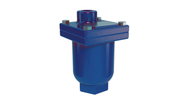
Air is the silent enemy of any fluid piping system. Trapped pockets of air restrict flow and cause destructive pressure surges. We often see systems struggle with efficiency because of poor valve placement. Selecting a high-quality Cla Val Air Release valve is only the first step. You must also know exactly where to position these components to protect your infrastructure.
Effective air management requires a deep understanding of pipeline topography. We prioritize installing a Cla Val Air Release unit at every high point in the line. These locations are natural collection spots for migrating bubbles. Without proper venting, these pockets grow and create significant head loss. Our team focuses on identifying these critical nodes to ensure your pumps operate at design capacity.
Why Does Air Accumulate in Your Pipelines?
Air enters your system through various common points during daily operations. It often hitches a ride during pump startups or through leaking seals. Temperature changes also cause dissolved gases to come out of the solution. Once inside, these bubbles move to the highest elevations in your pipe network.
If the air stays trapped, it narrows the effective diameter of the pipe. Research shows that a pocket of air occupying only 10% of a pipe's cross-section can reduce flow capacity by as much as 15%. This restriction forces your pumps to work harder and consumes more energy.
What are the Primary Installation Points for Success?
Strategic placement ensures that air never has the chance to cause a bottleneck. We recommend a systematic approach to identifying installation sites. You should evaluate every change in grade or direction within your network.
High points where the pipe changes from an upward to a downward slope.
Long horizontal runs where air can collect in small pockets over time.
The discharge side of the pumps is to exhaust air during initial startup cycles.
Before using flow meters to prevent inaccurate readings caused by air bubbles.
At regular intervals of 1,500 to 2,500 feet on long, constant grade pipelines.
How Do Grade Changes Impact Valve Placement?
The slope of your pipeline dictates how air behaves under pressure. In steep sections, bubbles move quickly toward the summit. In flatter sections, air tends to move more slowly and may stick to the pipe wall. We look for "increase in downward slope" points as secondary locations for venting.
Even if it is not the highest point, a change in grade can trap air. Proper venting at these junctions prevents the "air binding" effect. Studies indicate that air binding can increase system pressure by 20% or more, putting unnecessary stress on pipe joints and seals.
Can You Use a Table to Identify Key Locations?
We use the following reference to help operators plan their maintenance and installation schedules.
|
Location Type |
Problem Addressed |
Expected Benefit |
|
Pipeline Summits |
Major air pockets |
Restores full flow area |
|
Pump Discharge |
Startup surges |
Protects pump impellers |
|
After Pressure Reducers |
Pressure drops |
Prevents cavitation issues |
|
Long Flat Runs |
Cumulative air buildup |
Maintains consistent velocity |
|
Before Check Valves |
Mechanical interference |
Ensures proper valve seating |
How Does Air Affect Your Energy Bill?
Trapped air increases the friction that your fluid must overcome. This resistance is known as "air-induced head loss." When your pumps fight this resistance, they draw more electrical current. According to industry data, removing trapped air can reduce energy consumption by 5% to 10% in high-volume systems. Removing air also prevents water hammer, which extends the life of your expensive equipment. Investing in the right placement now saves significant repair money later.
Conclusion
Maximizing the lifespan of your piping system requires proactive air management. We understand that every project has unique challenges and specific topographic needs. Choosing a reliable Cla Val Air Release solution provides the durability needed for industrial and municipal applications. Our team focuses on providing the technical guidance necessary for perfect valve integration. We take pride in helping you achieve a balanced and efficient fluid network. For all your specialty pipe, valve, and fitting needs, trust the experts at Lehigh Valley Valve to deliver the right components for your specific infrastructure.
Frequently Asked Questions
What is an air release?
An air release is a mechanical device designed to automatically vent small pockets of air. It stays closed when liquid is present. It opens when air accumulates in the valve chamber to allow the gas to escape safely.
What is the function of the air release?
The primary function is to maintain system efficiency by removing trapped air. This prevents flow restrictions and protects the pipeline from pressure surges. It ensures the liquid moves through the full diameter of the pipe without any internal blockages.
How to use an air release valve?
You use it by installing it vertically at the highest points of your pipeline. Most units operate automatically without manual intervention. You must perform regular inspections to ensure the internal float and orifice remain clean and free of debris.
Where is the air release valve?
The valve is usually located on top of the pipe at summits. You will find them at pump stations, high topographic points, and long horizontal stretches. They are often protected by a small vault or enclosure in outdoor settings.
How does a quick-release air valve work?
It uses a buoyant float that drops when air enters the chamber. This movement opens a large orifice to exhaust high volumes of air quickly. Once the water returns, the float rises and seals the orifice to prevent any leaks.