
Why Every Water Network Needs a Smarter Air Release Strategy
Jan 11th 2026
Lots of city and industrial water setups run into annoying problems because of tiny air pockets stuck in the pipes. These little barriers actually block your water flow and force your pumps to work way harder than they should! That means your energy bills end up hitting the roof. If you don't handle that air, it creates scary pressure surges that can literally burst your pipes or ruin your joints. We totally get that keeping things running smoothly takes more than just some heavy-duty pipes and basic parts. Our main goal is to give you the right tools to vent that air and stop vacuums from forming! By bringing a professional fix into your setup, we help you dodge those big risks and make your whole system last way longer.
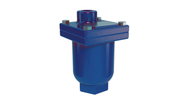
We really suggest using the Cla Val Air Release valve at every high point in your network! This clever little part automatically lets out small bits of air while your pipes are running under pressure. It has a smart float inside that keeps a tight seal, so you won't have to worry about any leaks at all! Our team loves helping you find these high-performance valves to keep your gear safe from air blocks and weird suction issues. We'll make sure every single valve fits your specific flow and pipe layout perfectly for the best protection! When you pick the right air plan, it helps us keep your water system quiet, tough, and super-efficient for a long time to come.
How Trapped Air Sneaks Up on Your Energy Bill
Think of trapped air like a big bump in the road for your water. When we look at systems that don't have good venting, we often see pumps using twenty percent more power than they really need! This happens because the pump has to fight to push water past "air dams" sitting at the top of the line. We have the know-how to find these tricky spots and get the right venting gear installed for you. Our big goal is to lower your costs by getting your pipes back to their full strength!
Why the High Spots are Such a Headache
Air always floats to the highest parts of your pipes because it's lighter than water. If there isn't an easy way out at those peaks, the air gets squished and causes a ton of shaking and trouble! We’ve seen plenty of pipe breaks that people blamed on "moving ground" when it was actually just air surges inside. By putting our special valves in those exact spots, we let the air out before it can turn into a big, dangerous bubble. This simple move takes the pressure off every single seal and joint you’ve got!
Technical Specs for Our Best Air Valves
We really pride ourselves on providing gear that can handle the toughest jobs out there! Our air management tools use top-notch materials so they stay reliable and don't need much fixing.
|
Feature |
The Nitty Gritty |
|
Body Material |
Super strong Ductile Iron |
|
Internal Trim |
Stainless Steel that won't rust |
|
Float Design |
Tough Stainless Steel for the long haul |
|
Pressure Ratings |
Ready for anything up to 800 psi |
|
Sealing Style |
Stays bone dry even at low pressure |
Keeping Things Safe While Filling and Draining
Managing air isn't just about catching small bubbles while things are running. We also make sure your pipes stay safe when you're filling them up or draining them for a quick fix! Filling a pipe too fast without venting can cause a "water hammer," which sends a huge shockwave through your whole building. On the flip side, draining a line without letting air in can create a vacuum strong enough to crush a giant pipe! Our combo valves do both jobs, so air moves in and out safely whenever you need it to.
Quick Tips to Bulletproof Your Pipes
To keep your setup in tip-top shape, here are some of our favorite pro tips:
- Stick an air release unit every half-mile on long, flat pipe runs.
- Always put a valve right after your big main pumps!
- Use a small shut-off valve under each unit so you can clean them easily.
- Double-check your venting if you decide to speed up your pumps.
- Give those floats a quick look once a year to clear out any gunk!
Why Clean Water Makes Your Valves Happy
We always like to remind our friends that a valve is only as good as the water inside it! Dirt and bits of grit can get stuck in the float and keep it from sealing right. That’s why we’re big fans of a "total package" approach that uses great filters alongside our air valves. When your water is clean, our valves can do their job perfectly for decades! We’ve got the full lineup of strainers and valves to make sure your system never quits on you.
Wrapping Up: Let’s Build a Safer Network Together!
Setting up a water network you can trust takes a good understanding of how water actually moves. We’re here to give you the best Cla Val Air Release fixes and the hands-on help you need to keep things flowing! At Lehigh Valley Valve, we're all about getting you the pro gear that stops downtime and protects your hard-earned money. We offer super-fast shipping and great wholesale support to help you get your jobs done on time! By teaming up with us for your air management, you’re making a great move for the future of your system.
Frequently Asked Questions
What does an air release valve actually do?
It automatically lets out small air bubbles that get stuck at high spots in your pipes. This stops air blocks that slow down your water and keeps your pumps from wasting a bunch of expensive energy!
How does air even get inside a closed pipe?
It can get sucked in at the pump, sneak through tiny leaks when pressure is low, or just come out of the water naturally. It also gets trapped if the pipes weren't filled up perfectly at the start!
Where’s the best place to put these valves?
You want them at the very highest points where air likes to hang out. It’s also a great idea to put them along long flat stretches and right after your pump stations to catch air early!
Can air really make a pipe burst?
You bet! Big air pockets make pressure spikes way worse when pumps kick on or off. These "water hammer" shocks can be way stronger than the pipe itself, leading to some really messy breaks!
How often should I check on them?
We suggest giving them a quick check-up at least once a year! Just make sure the float is clean, and the hole isn't blocked so it can keep venting and sealing exactly like it should.