
How Do You Install a Ball Valve? A Simple and Practical Guide
Apr 13th 2026
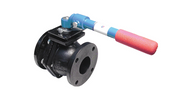
Proper valve installation ensures piping system safety and efficiency. Selecting the right components, like a Cast Iron Ball Valve, is the first step toward project success. We provide technical insights to help contractors achieve leak-free results and long-term system longevity.
Precision is vital when handling heavy-duty equipment like a cast iron ball valve or stainless steel fittings. We offer the expertise and inventory needed for these critical infrastructure upgrades. By adhering to professional standards, you reduce failure risks and minimize future maintenance costs.
Why is Preparation the Most Important Step?
Success starts before you pick up a wrench. We recommend inspecting all components first, as nearly 25 percent of valve failures stem from improper installation. Verify that the valve rating matches your system's pressure and temperature. Check ports for debris or shipping materials that could damage internal seals.
Examine pipe ends for burrs or uneven cuts to ensure the valve sits properly. For threaded connections, verify that threads are sharp and undamaged. For flanged systems, ensure mating surfaces are flat and clean to meet ASME B16.1 standards.
How Do You Choose the Right Installation Tools?
Using the correct tools prevents body damage and ensures secure connections. We suggest having pipe wrenches, a deburring tool, and appropriate sealant ready. For flanged setups, use a torque wrench to tighten bolts in a specific sequence. Never apply a wrench to the valve parts furthest from the pipe connection.
- Pipe cutters for clean, square cuts.
- Deburring tool to smooth pipe edges.
- Pipe thread sealant or PTFE tape.
- Adjustable wrenches for secure tightening.
- Cleaning cloths to remove oil or shavings.
- Safety gear, including gloves and eye protection.
What are the Steps for Threaded Valve Installation?
Threaded connections require a careful touch. Apply sealant only to the male threads, leaving the first two threads bare to keep the fluid stream clean. Hand-tighten the valve until you feel resistance, then use a wrench on the end closest to the pipe to finish.
Avoid over-tightening to prevent cracking the valve body. Align the valve so the handle has a full ninety-degree arc of movement. We recommend testing handle clearance before pressurizing. Proper alignment reduces mechanical stress on threads by up to 40 percent.
How Do You Install a Flanged Ball Valve Properly?
Industrial systems use flanged connections for higher pressure tolerances. Place the gasket between the valve and pipe flanges, then align bolt holes carefully. Insert all bolts by hand before tightening them in a star pattern. This technique ensures even pressure and prevents gasket slipping.
|
Installation Step |
Action Required |
Professional Tip |
|
Alignment |
The match flange faces perfectly |
Use a level to check pipe straightness |
|
Gasket Placement |
Center the gasket on the face |
Do not use damaged gaskets |
|
Bolt Insertion |
Hand-tighten all bolts first |
Use the correct bolt grade |
|
Final Torque |
Use a star pattern |
Follow the manufacturer's torque specs |
|
Verification |
Check for gaps |
Inspect the seal under low pressure |
Why Does Valve Orientation Matter for Performance?
Horizontal installation with the stem pointing upward is preferred. This prevents sediment from settling in the packing box and causing leaks. If installing vertically, ensure the flow follows the direction of the arrow. While most ball valves are bidirectional, some models have a preferred path.
Consider the "fail-safe" handle position for your environment. Usually, a handle parallel to the pipe means "open," while perpendicular means "closed." We maintain this standard for intuitive operation and improved safety during shutdown procedures.
How Do You Perform a Post-Installation Leak Test?
Once installed, verify all connections by pressurizing the system slowly. Increase pressure in stages while inspecting the body, stem, and joints for moisture. Small threaded leaks may require a slight additional turn, while flanged leaks may need re-torquing.
Cycle the valve several times under pressure to ensure smooth movement and a tight stem seal. We advise logging these tests for maintenance records. Early testing prevents minor drips from becoming major failures, ensuring your system is ready for service.
What Maintenance Does a Ball Valve Require?
Ball valves require minimal maintenance. We recommend cycling the valve every six months to prevent seizing, especially in systems with hard water or additives. Inspect the stem packing for weeping and adjust the packing nut if necessary. Most valves allow adjustments without removal from the line.
If a valve leaks through the port, the seats may be damaged. In these cases, replacement is often more cost-effective than repair. We maintain a large inventory of parts to minimize your downtime. Proactive cycling can extend seat life by nearly 50 percent.
New Perspectives on Fluid Management Excellence
Installing a ball valve represents a commitment to infrastructure reliability. We provide the technical guidance and premium products to make these installations successful. Following these steps ensures your system remains robust against industrial demands.
Choosing a cast-iron ball valve can significantly impact your operational outcome. We believe every contractor deserves expert advice and a reliable supply chain. At Lehigh Valley Valve, we support your projects from consultation to final testing. Explore our inventory to solve your next fluid control challenge.
Frequently Asked Questions
What is a cast-iron ball valve?
A cast iron ball valve is a heavy-duty device using a spherical disc to control flow. The durable cast iron body offers strength and moderate corrosion resistance for industrial use.
What is a cast-iron ball valve used for?
We provide the Cast Iron Ball Valve for water, oil, and gas applications. These are common in HVAC, industrial processing, and water distribution due to their rugged, cost-effective design.
How do you replace a cast-iron ball valve?
To replace a cast iron ball valve, depressurize and drain the system. Disconnect the old valve, clean the pipe ends, and install the new unit with fresh sealant or gaskets.
What does a ball valve do?
A ball valve provides on-off control by rotating a bored ball. When aligned with the pipe, fluid flows; a ninety-degree turn creates an immediate, tight seal.