
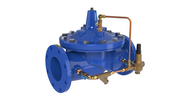
How Do You Install a Pressure Reducing Valve?
Apr 14th 2026
We see high water pressure cause silent damage in many American homes and industrial facilities every day. High pressure stresses pipes and leads to expensive leaks or sudden appliance failures. Installing a pressure reducing valve is the most effective way to protect your plumbing infrastructure. This device acts as a guardian by maintaining a consistent output regardless of the input. We believe understanding the installation process helps you maintain a safer, more efficient environment. Our guide provides the technical insights needed to handle this task with confidence and precision.
A pressure reducing valve is a fundamental necessity for modern buildings. Most municipal water lines deliver pressure far exceeding what standard fixtures can handle. We recommend these valves to ensure your faucets, heaters, and toilets operate within designed limits. Proper installation prevents water hammer and extends the life of your seals. We focus on providing high-quality components that stand up to constant daily use. Follow our professional steps to secure your system against the hidden dangers of high pressure.
Why Should You Monitor Your Incoming Water Pressure?
Before starting, we must determine if your system requires a new valve. We suggest using a pressure gauge on an exterior hose bib to check your status. If the reading exceeds 75 PSI, your internal plumbing is at risk for premature wear. High pressure causes micro-cracks in copper and weakens PEX joints over time. Research shows that reducing pressure from 100 PSI to 50 PSI can cut water waste by 30 percent. Monitoring allows us to catch issues before they turn into emergency pipe bursts.
What Tools and Materials Do We Need for Installation?
Preparation is the most important part of any successful plumbing project. We use specific tools to ensure every connection is watertight and structurally sound. You will need a pipe cutter, two adjustable wrenches, and sealing tape or pipe dope. We also suggest having a bucket and towels nearby to catch residual water. If using a threaded valve, ensure you have the correct union fittings for easy future maintenance. Using the right materials prevents leaks and simplifies the entire installation process.
|
Item Name |
Purpose in Installation |
Required Quantity |
|
Pressure Reducing Valve |
Regulates incoming flow to a safe level |
1 Unit |
|
Shut-off Valves |
Isolates the system during the installation |
2 Units |
|
Pressure Gauge |
Verifies the final pressure settings |
1 Unit |
|
Union Fittings |
Allows for easy removal or replacement |
2 Units |
|
Pipe Sealant |
Prevents leaks at the threaded connections |
1 Roll/Tube |
How Do We Prepare the Installation Site?
We begin by locating the main water shut-off valve near the water meter. Turn the handle clockwise to stop the flow before you start cutting any pipes. We then open the lowest faucet to drain the remaining water from the lines. This step minimizes mess and prevents backpressure from interfering with your work. Always verify that water has stopped flowing entirely before you proceed to the next technical step.
Where Is the Best Location for the Valve?
We always install the valve after the main shut-off but before the water branches to fixtures. This ensures every tap in your building receives the benefit of regulated pressure. We recommend leaving enough space for a technician to reach the valve for future adjustments. Avoid placing the valve in crawl spaces or behind permanent walls. Data suggests that accessible valves are 50 percent more likely to receive necessary annual maintenance. We prioritize locations that are dry, well-lit, and easy to access with standard tools.
What Are the Steps to Install the Valve?
We start by cutting a section out of the main line to fit the valve. Use your pipe cutter to make clean, square cuts for proper fitting alignment. We then clean the pipe ends thoroughly to remove debris that could cause leaks. Slide the union nuts onto the pipe before attaching adapter fittings to the main line. We apply a thin layer of sealant to ensure a perfect seal. Align the arrow on the valve body with the direction of the water flow.
- Measure the length of the valve body and union fittings.
- Mark the pipe clearly to remove the correct amount of material.
- Insert the valve and tighten the union nuts by hand.
- Use two wrenches to tighten connections without stressing the pipe.
- Slowly turn the water supply back on to check for leaks.
- Check downstream pressure with a gauge to verify factory settings.
How Do We Adjust the Pressure Settings?
Most valves feature a factory setting of 50 PSI, which is ideal for most homes. To change this, locate the adjustment bolt on the top of the valve. We turn the bolt clockwise to increase pressure and counterclockwise to reduce it. We recommend making small adjustments and checking a nearby faucet after each turn. Never exceed 75 PSI, as this can void warranties on your water heater. We aim for a balance between strong flow and the long-term safety of your pipes.
How Do We Maintain the Valve Over Time?
We believe a pressure reducing valve requires a quick annual inspection to ensure functionality. Debris or scale from city mains can sometimes clog the internal sensing chamber. We suggest flushing the valve by opening several high-flow faucets simultaneously for one minute. If pressure creeps up over time, the internal diaphragm might need a simple cleaning. Most high-quality valves we provide have rebuild kits for easy field service. Regular maintenance prevents full replacement and keeps your water pressure consistent for years.
Why Is Professional Support Important for This Task?
Plumbing main lines carry high risks if handled incorrectly. We understand that a mistake on the main line can lead to significant water damage quickly. Our team provides the technical support and high-grade parts needed for a successful installation. We offer guidance on selecting the right size and model for your specific flow requirements. Choosing a partner who understands valve technology makes a major difference in the final result. We are always here to help you navigate fluid control and system protection.
Summary of Key Insights
We have covered the essential steps to protect your plumbing from high pressure. By following our guide, you can install a device that saves water and prevents repairs. We emphasize using the right tools, choosing the best location, and performing regular checks. A consistent pressure level creates a comfortable environment and preserves your infrastructure. We remain committed to helping you achieve the best performance through expert advice and quality parts.
Conclusion
We at Lehigh Valley Valve take great pride in being your partner for all valve and instrumentation needs. We provide the expertise and high-quality parts required to maintain a safe water system. Our inventory includes the most reliable pressure reducing valve options available today. We focus on delivering professional service that supports your projects from start to finish. Whether you need a single part or a full rebuild kit, we have solutions ready. Trust Lehigh Valley Valve to provide the components that keep your operations running without unexpected pressure problems.
Frequently Asked Questions
What is a pressure-reducing valve?
A pressure reducing valve is a specialized device that reduces high incoming water pressure from a main line. We use these to create a lower, more manageable pressure for the pipes and fixtures inside your building.
What does a pressure-reducing valve do?
This valve protects your plumbing system by maintaining a constant, safe pressure level. It prevents surges from damaging water heaters and faucets. We find it essential for reducing water waste and preventing loud pipe noises.
How does a pressure-reducing valve work?
The valve uses a spring-loaded diaphragm and a pilot to balance water pressure. As incoming pressure changes, the internal mechanism adjusts the opening to maintain the set output. We enjoy how this mechanical balance works without electricity.
What is the purpose of a pressure-reducing valve?
The main purpose is to extend the life of plumbing components and reduce water consumption. We install them to prevent leaks caused by stress on pipe joints. It ensures a comfortable and safe water flow for all users.