
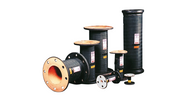
What Is A Sleeve On A Pinch Valve
May 12th 2026
When you think about industrial flow control, you probably picture heavy gears or complex metal gates. However, sometimes the best solutions are the ones that keep things simple. We often see operators and facility managers overlook the most critical part of a slurry or abrasive piping system. This component is the Pinch Valve Sleeve. It acts as the primary barrier in your line. It is also the only part of the valve that actually touches the material moving through your pipes. Without a high-quality sleeve, your entire valve body is left wide open to damage from harsh materials.
When we evaluate how a system is performing, we look directly at the Pinch Valve Sleeve for signs of health. Think of this flexible tube as the soul of your valve. It has to withstand thousands of opening and closing cycles while keeping a bubble-tight seal every single time. Modern industrial trends show us a startling statistic. Nearly forty percent of maintenance costs in sectors that handle abrasive materials come from seal failures. Choosing the right material for this internal part is not just a small detail. It is a big engineering decision that determines how long your infrastructure will last.
What makes the sleeve so vital to flow control?
The design of a pinch valve is pretty unique. It does not have any internal moving metal parts like a gate or a ball valve. We really appreciate this simplicity because it stops the two biggest enemies of flow: clogging and corrosion. The sleeve sits quietly inside the valve body. It waits for mechanical or pneumatic pressure to arrive. When you close the valve, the sleeve collapses in the middle to stop the flow completely. This simple action lets the valve handle thick solids, long fibers, and mean chemicals. These are the kinds of materials that would ruin a standard metal valve in days.
Why do we focus so much on the inside of the valve?
We spend a lot of time talking about the sleeve because it does all the hard work. In most valves, the fluid rubs against the metal body or the stem. That leads to wear and tear that is hard to fix. With a pinch valve, the fluid only sees the rubber. If the rubber wears out, you just swap the sleeve. You do not have to buy a whole new valve body. This saves you a lot of money and time. We see this as a game-changer for companies moving heavy sludge or rocky mixtures.
How does the material choice impact your operations?
We select sleeve materials based on the specific chemistry and temperature of your setup. The rubber needs to be flexible enough to close but tough enough to hold back the pressure. We use several different types of rubber depending on what you are moving through your pipes.
- Natural Rubber: We use this for general abrasion resistance. It has great flexibility and bounces back well.
- EPDM: This is our go-to for chemical handling. It also stands up well to outdoor weather and sunlight.
- Nitrile (Buna-N): We recommend this for any system involving oils, fats, or greases.
- Neoprene: This is a great middle-ground material. It handles moderate chemicals and general use very well.
- Viton: When things get hot or very acidic, we turn to this. It handles extreme environments like a pro.
Why does the construction of the sleeve matter?
A sleeve is more than just a piece of rubber hose. It is an engineered product. It has reinforced fabric layers buried inside the rubber. These layers help the sleeve handle high internal pressures without bursting. We look at different construction styles to see how they react when they get pinched.
|
Feature |
Description |
Benefit |
|
Reinforcement |
High-strength synthetic fibers |
Keeps the sleeve from bursting under pressure |
|
Full Bore |
Internal diameter matches the pipe |
No pressure drop and no messy turbulence |
|
End Connections |
Flanged or slip-on styles |
Makes installation and replacement fast |
Can a sleeve handle high cycle rates?
If you open and close a valve constantly, the material can get tired. This is called fatigue. We look for sleeves with high "rebound" properties. This just means the rubber snaps back to its original round shape the moment you release the pressure. If a sleeve loses its memory, it stays partly squished. That restricts your flow even when the valve is supposed to be wide open. Proper reinforcement makes sure the walls do not cave in under a vacuum or stretch out too far when the pressure is high.
Does the sleeve help protect the environment?
One of the biggest wins we see is how well these valves contain the material. Because the sleeve is one long, continuous tube, there are no places for leaks. There are no packing glands or stems that can drip. This makes it a perfect choice for moving hazardous waste or toxic liquids. The sleeve keeps the fluid away from the valve body, and it keeps the fluid inside the system where it belongs. We think of it as a double layer of security for your facility.
What happens when it is time for a change?
No sleeve lasts forever, but changing one is pretty easy. You do not need special tools or a week of training. We designed our systems so that the sleeve can be pulled out and a new one slid in quickly. This keeps your downtime to a minimum. We know that every hour your line is down, you are losing money. Having a few spare sleeves on the shelf is the best insurance policy you can buy for your plant.
Final Thought:
The reliability of any fluid system depends on the strength of its parts. We understand that every millimetre of a Pinch Valve Sleeve must perform under heavy stress to keep your facility running. Choosing the right replacement means looking at your pressure, your chemicals, and how often you flip the switch. At Lehigh Valley Valve, we provide the expertise and the inventory you need to keep these systems in top shape. Our team focuses on getting you the specific parts that keep your work efficient and your pipes leak-free. Using high-quality components is the best way to stop downtime and keep your budget on track.
Frequently Asked Questions:-
What factors affect sleeve performance?
Several factors dictate how well your sleeve performs. Internal line pressure and the frequency of operation are the biggest mechanical stressors. Temperature and chemical composition of the fluid also matter. Finally, the quality of the fabric reinforcement determines if the sleeve can handle pressure without stretching or bursting over time.
How do I choose the right pinch valve sleeve?
Start by identifying the media you are moving. Choose a rubber compound like EPDM for chemicals or Natural Rubber for abrasives. Match the sleeve's pressure rating to your system's maximum load. Also, ensure the reinforcement type fits your cycle rate to prevent early fatigue and maintain a tight seal.
What is the use of sleeve valve?
A sleeve valve is primarily used to control the flow of difficult materials like slurries, powders, and corrosive liquids. Because the sleeve collapses to close, it can seal around solids that would jam other valves. Its simple design makes it ideal for wastewater treatment, mining, and chemical processing plants.
What are the different types of sleeve valves?
The main types include pneumatic pinch valves, which use air pressure to collapse the sleeve, and manual versions that use a handwheel. There are also open-body designs for easy inspection and enclosed-body versions for higher pressure. Some feature specialized "conical" or "double-wall" sleeves for specific throttling or high-vacuum applications.