
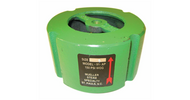
What is the purpose of a check valve?
Apr 10th 2026
We build systems that must move water, gas, or chemicals in one direction only. When flow reverses, it can damage pumps, contaminate water, and reduce efficiency. A check valve prevents this problem.
We often recommend a Mueller Check Valve because it offers dependable backflow protection. Industry reports show that backflow incidents can increase repair costs and downtime significantly. Preventing reverse flow helps protect both equipment and system performance.
What Is a Check Valve and How Does It Work?
A check valve is a device that allows fluid to move in one direction only. It closes automatically when the flow tries to reverse. This action requires no manual control or external power.
We prefer this design because it is simple and reliable. A Mueller Check Valve uses internal parts such as a disc, ball, or swing mechanism. These parts respond to pressure changes inside the pipe.
When fluid moves forward, the valve opens. When the flow stops or reverses, it closes quickly. This quick response protects the system from damage.
Why Is Backflow a Serious Problem?
Backflow can create serious risks in many systems. In water systems, it can cause contamination that affects safety. In industrial systems, it can damage pumps and reduce efficiency.
We use check valves to reduce these risks. A Mueller Check Valve helps prevent reverse flow and keeps systems running smoothly. Studies show that proper backflow prevention can reduce maintenance costs by up to 25 percent.
This makes check valves an important part of modern system design.
Where Do We Use Check Valves?
We install check valves in many types of systems where one-way flow is important. They are common in both residential and industrial setups.
Common uses include:
- Water supply systems
- Pump discharge lines
- Heating and cooling systems
- Industrial processing lines
- Fire protection systems
A Mueller Check Valve works well in these applications. It handles different pressures and flow conditions with consistent performance.
What Are the Main Types of Check Valves?
We choose different types of check valves based on system needs. Each type works best in specific conditions.
Here is a simple overview:
|
Type |
How It Works |
Common Use |
|
Swing Check |
The disc swings open and closed |
Water systems |
|
Lift Check |
Disc lifts with flow pressure |
High-pressure systems |
|
Ball Check |
Ball blocks reverse flow |
Low-flow systems |
|
Dual Plate |
Two plates open and close |
Compact piping systems |
A Mueller Check Valve is available in several of these designs. This helps us match the valve to the right application.
How Do Check Valves Improve System Efficiency?
Efficiency depends on stable flow and proper pressure. Reverse flow can disrupt both and reduce system performance.
We use check valves to maintain a steady flow direction. A Mueller Check Valve helps reduce pressure loss and improve pump efficiency. This means the system uses less energy to operate.
Research shows that efficient flow control can lower energy use in pumping systems. This leads to lower operating costs over time.
What Materials Are Used in Check Valves?
Material choice affects how long a valve lasts and how well it performs. We select materials based on the system environment.
Common materials include:
- Brass for corrosion resistance in water systems
- Stainless steel for strength in industrial use
- Cast iron for heavy-duty applications
A Mueller Check Valve uses durable materials that support long service life. This helps reduce the need for frequent replacements.
How Do We Choose the Right Check Valve?
We follow a clear process when selecting a check valve. Each system has different needs, so we evaluate key factors carefully.
We consider:
- Flow rate and pressure
- Type of fluid
- Installation position
- Temperature range
- Maintenance access
A Mueller Check Valve often meets these requirements with reliable performance. We use data and system specifications to guide our decisions.
Why Is Proper Installation Important?
Even a high-quality valve can fail if installed incorrectly. We ensure correct placement based on flow direction and system design.
A Mueller Check Valve is easy to install because of its simple design. This reduces installation errors and improves system performance. Proper installation also helps prevent leaks and early wear.
We also recommend regular inspection. Checking the valve ensures it continues to work as expected.
How Do Check Valves Support Long-Term Reliability?
Reliable systems depend on components that perform consistently over time. Check valves reduce the risk of damage caused by reverse flow.
We use check valves to protect pumps and pipelines. A Mueller Check Valve provides steady performance even after repeated use. This helps extend system life and reduce downtime.
Data shows that proper valve selection and maintenance improve system lifespan. This leads to better performance and lower costs.
Conclusion: Building Safer Systems with the Right Valve Choice
We believe strong systems start with simple and reliable solutions. A check valve protects against backflow, improves efficiency, and supports long-term performance. A Mueller Check Valve offers dependable one-way flow control for many applications.
At Lehigh Valley Valve, we focus on providing solutions that meet real system needs. We supply trusted products like the Mueller Check Valve to help build efficient and reliable systems. Our approach combines product quality with practical knowledge to support long-term success.
FAQs
How do you install a check valve?
To install a check valve, first verify the flow direction marked by the arrow on the valve body. Ensure the pipe is clean and properly aligned. Tighten the connections securely, and always leave space for future maintenance and inspections.
What is a Mueller check valve?
A Mueller Check Valve is a high-quality, industrial-grade component designed for superior flow control. These valves are famous for their durable construction and reliable sealing. They are commonly used in waterworks and fire protection systems to prevent dangerous backflow.
How does a check valve work?
A check valve works automatically using the pressure of the fluid. When the pressure reaches the cracking point, the internal disc opens to allow flow. If the flow stops or reverses, the disc closes immediately to block any backward movement.
What are check valves used for?
Check valves are used to protect expensive equipment like pumps and compressors from damage caused by backflow. They also prevent cross-contamination in piping systems. You will find them in home plumbing, chemical plants, and municipal water treatment facilities globally.